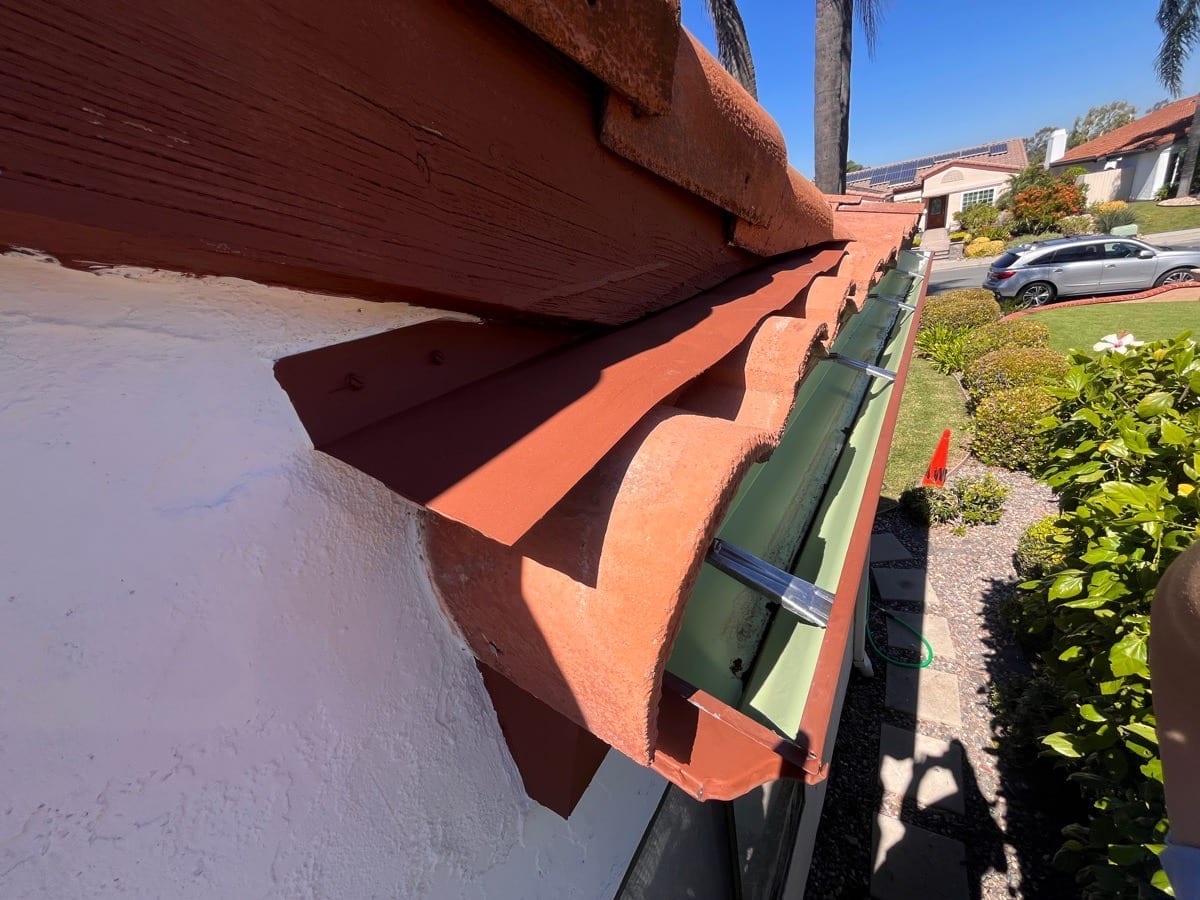
Start with access and protection
Height, roof shape, occupied interiors, landscaping, pedestrian areas, parking, and equipment placement affect how the repair can be reached and protected. A ground-level trim repair differs from roof-edge work needing a lift or coordinated roofing access. Compare whether proposals include mobilization, interior protection, temporary weather protection, daily closure, and resident notices. A lower price may simply assume access that has not been verified.
Define what investigation buys
The $250 Site Evaluation + Written Bid Package is appropriate when source, extent, or trade boundaries remain uncertain and is credited toward approved work when approved within 30 days. The scope should identify accessible observations, the first opening if needed, and the decision exposure will support. Useful investigation has a stated question, boundary, documentation method, and next approval point; it is separate from unlimited demolition.
Name the wood and its function
Fascia, trim, siding, sheathing, blocking, rafter tails, stair components, and framing carry different consequences. Pricing should identify the known element and avoid assuming concealed quantities. Work affecting connections or load-related components may need qualified review. Compare whether removal, fabrication, attachment, adjacent material handling, and disposal are included. A phrase such as “replace rotten wood” does not create a comparable construction scope.
Include the moisture correction
Ask which supported source-related work is included: gutter or roof-edge changes, flashing, membrane, sealant joint, siding or stucco transition, drainage, plumbing, or another detail. A wood-only number can leave water-control work excluded. The proposal should say when the source remains partly uncertain, which items belong to another trade, and what evidence would justify expanding beyond the targeted correction.
Count every disturbed finish
Opening and wood repair may disturb stucco, lath, siding, roofing, soffit, drywall, texture, trim, primer, or paint. Confirm patch boundaries, coating extent, material profiles, and matching limits. Existing aged finishes or discontinued products can increase preparation or make an exact match impractical. Compare complete restoration assumptions, not only demolition and lumber, so the owner knows what condition remains when the crew leaves.
Compare concealed-condition rules
One proposal may include only visible quantities while another includes a defined allowance or broader opening. Neither approach is automatically better; clarity is what matters. Identify the hold point, approving contact, documentation, price method, schedule effect, and weather protection if deterioration extends. Avoid an open-ended authorization. Hidden damage, code issues, access changes, or owner changes should become a written decision tied to new evidence.
Use a bid-comparison checklist
Place proposals side by side and compare observed location, access, protection, opening work, wood elements, water-control details, related trades, finish restoration, exclusions, qualified review, documentation, and change process. Ask vendors to clarify missing categories rather than assuming they are included. A useful decision weighs scope completeness and property impact with price; it does not infer a result or warranty the written proposal does not provide.
- Observed area and access method
- Authorized opening and documentation
- Wood elements and attachments included
- Water-control and related-trade work
- Patch-back, paint, and matching limits
- Written hidden-condition process
Compare dry-rot proposals by access, wood function, moisture correction, finish restoration, and concealed-condition rules—not by one lump sum.
Continue planning
Repair or Replace Damaged Exterior Wood?
A practical framework for deciding whether localized repair, member replacement, or broader opening work belongs in a dry-rot scope.
Read the guideOpening Work, Hidden Damage and Change Orders
Plan exploratory removal, documentation, protection, and owner decisions when dry-rot extent is concealed.
Read the guide